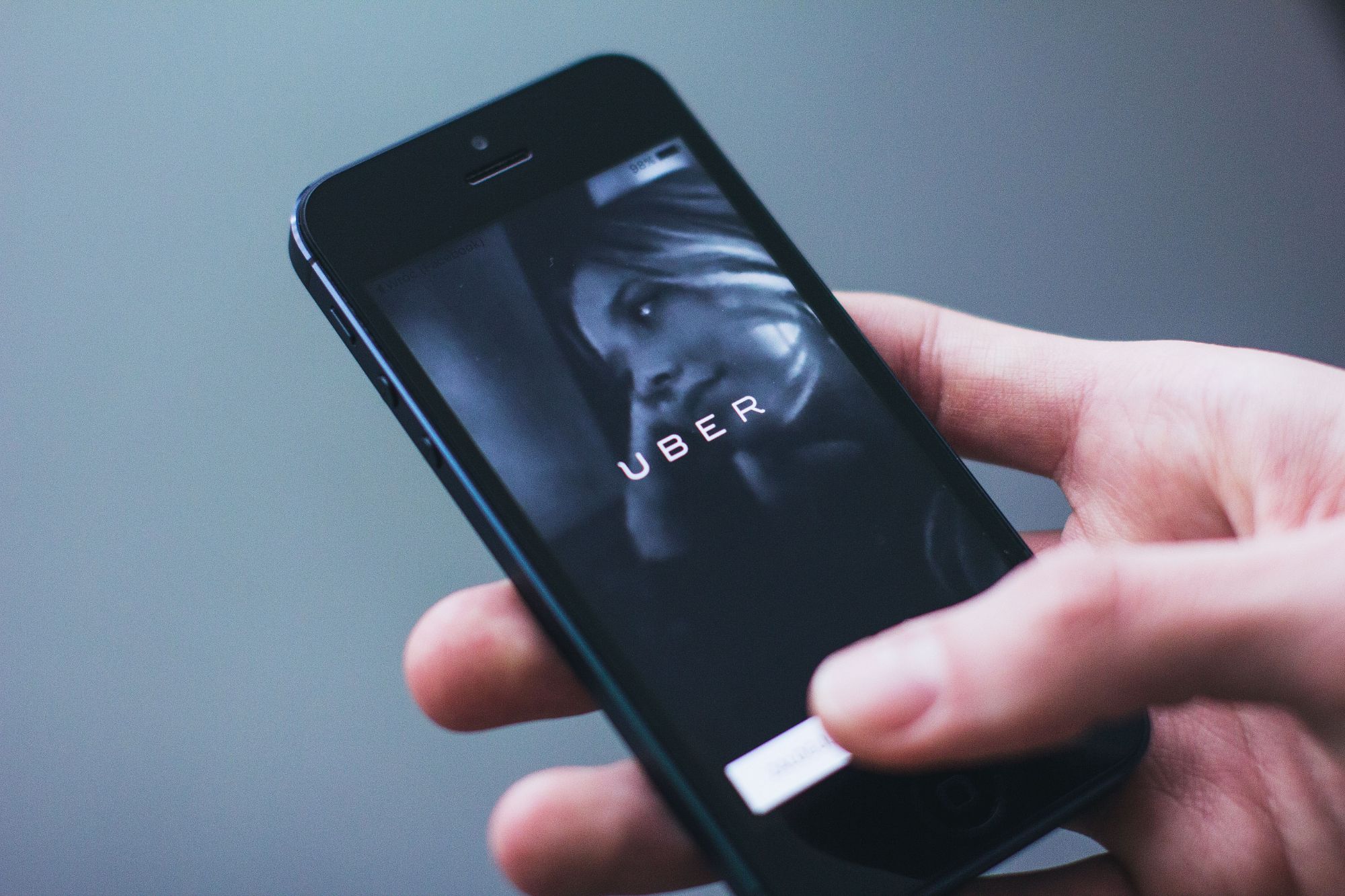
The night before the flight
It's 11 p.m. Your bag is packed and your alarm is set for 4:30. And there's one small thought that won't let you sleep: what if there's no car?
You've used the app a hundred times. It has always worked. But "always worked" is not the same as "will work tomorrow, at 4:30, when it really matters." That gap between a habit and a promise is where anxiety lives.
This is the story of how Uber noticed that feeling, and built a feature around it.
What "push a button" couldn't promise
Uber's original magic was on-demand: tap, and a car appears. For most trips, that's enough. You aren't in a rush, so a few extra minutes of waiting costs nothing.
But some trips are different. An early flight, a job interview, a hospital appointment. On those days, on-demand quietly turns into on-maybe. The app can't tell you tonight whether a driver will be nearby tomorrow. So you lie awake doing the math.
Uber's own framing of the problem was honest about this. When it announced the feature, it said people valued on-demand rides, and that it "totally get[s] it" — but wanted to give riders the comfort of knowing a car would be there when it was time to leave. The press saw it the same way: Digital Trends described the moment of waiting for a car before an important trip as the one that makes a bead of sweat form on your brow.
Listening harder: Reserve and the airport
Uber's first answer, Scheduled Rides in 2016, let riders pick a time, but the app still sent the request shortly before pickup, so no driver was locked in until then. It helped, but it didn't fully answer the 11 p.m. question. So the idea kept evolving. Uber launched Uber Reserve in the US in November 2020, matching riders with a driver ahead of the trip, and later brought it to markets like Hong Kong, where you get confirmation of your arranged trip in the app.
Then it went after the most anxious trip of all: the airport. Uber Reserve at airports added three details, each aimed at a specific worry:
- Flight tracking. The pickup adjusts automatically whether your flight lands early, on time or late. Uber has worked with flight-data provider OAG to make this work.
- Up to 60 minutes of free waiting. Bags and long immigration lines no longer feel like a race. (That's for the premium airport reservations Uber launched in the US in 2021; it varies by market.)
- Curbside pickup. Step out of the terminal and into the car.
The drivers got thought too. Reserve lets them accept trips ahead of time and plan their schedule, and the app reminds them before pickup. A calm rider needs a prepared driver.
Designing for the feeling, not the function
On paper, Scheduled Rides is a timestamp in a database. In practice, it's a sentence a rider can say to themselves before sleep: it's handled.
What makes the feature thoughtful is that it doesn't treat anxiety as one vague thing. It breaks it into specific worries and answers each one directly.
- Will there even be a car?A driver can accept in advance, when possible
- Will being careful cost more?An upfront price without surge (plus a reservation fee)
- What if my plans change?Cancel free up to an hour before
- What if my flight is late?Pickup moves with your flight
- What if baggage takes forever?Extra free waiting at airports
None of these is technically impressive alone. Together, they close most of the gaps the rider's mind might wander into at 11 p.m. Not all of them: Uber still says it can't guarantee that a driver will accept.
What thoughtful builders can take from it
The lesson isn't "add a scheduling feature." It's a way of looking at your own product.
- Find the moment your product makes people nervous. Not the bugs. The feelings. Where does a user hesitate, double-check, or lie awake?
- Name each worry separately. "Anxiety" is too vague to design for. "What if my flight is late?" is something you can build.
- Remove the cost of being careful. If peace of mind costs extra, or locks you in, people stay anxious. A clear upfront price and an easy way out did as much work as the booking itself.
- Remember the other side. Riders only relax when drivers are prepared. Calm is a system, not a screen.
At WholeArc, we think the best technology is the kind you stop thinking about. Scheduled Rides is a small, almost boring feature. That's exactly why it works: it gives people one less thing to carry into the night before something important. It's the kind of product thinking we want behind everything we build, Steady included.
For a broader look at how Uber designs around uncertainty, read our independent product teardown.
Correction, 14 October 2026: an earlier version of this piece blurred 2016 Scheduled Rides and Uber Reserve. It said booking ahead secured a car at the same price with cancellation any time. Scheduled Rides didn't match a driver in advance, and Reserve adds a reservation fee and a one-hour free-cancellation window. We've corrected the text and the table.
Sources
- Uber Newsroom: Scheduled Rides launch (June 2016)
- Digital Trends: Scheduled Rides arrives in New York City
- Uber Newsroom: Improving the airport travel experience
- TechCrunch: Uber Reserve launches in the US (November 2020)
- Uber Help: Using Uber Reserve
- Uber Hong Kong: Uber Reserve launch (2022)
- INSHUR: The lowdown on Uber Reserve at airports
- OAG: Uber Reserve's cloud transformation